I am just an average man who loves writing, thinking and trying to inspire kindness, love, understanding and Compassion in others and try to find them within myself.
It is the holiday season yet again, it seems as I get older it gets a bit tougher to get through it without reflecting on the times I had with friends and family that had passed away. Only this year I lost three friends and two family members. Very recently lost a former employer and friend with another friend that I have known for some time online in active worlds (3d community).
Though I feel sadness, I also feel blessed that I have gotten to know and share time with those I lost. We feel sad because of the loss we endure, and the absence of those we care about in our lives. However, they live on in our memories as well as in the memories of those who were in their lives. Some think it is hard to be joyous when you have lost so much, I say it is hard not to be Joyous of what we had and that which we still have and shall receive in the future to come. I remember how blessed I was to have those people in my life.
I wish everybody a merry Christmas, a happy Hanukkah, and a happy holiday season. Know the blessings you have and remember the blessings that have passed your way in life. Embrace the people you love and celebrate each day with vigor, my friends. Remember those that went on before us and live for them and cherish their memories and pass on the wisdom they may have shared with you as well. Count your blessings, and forget the negative things that only get in the way of being happy in life.
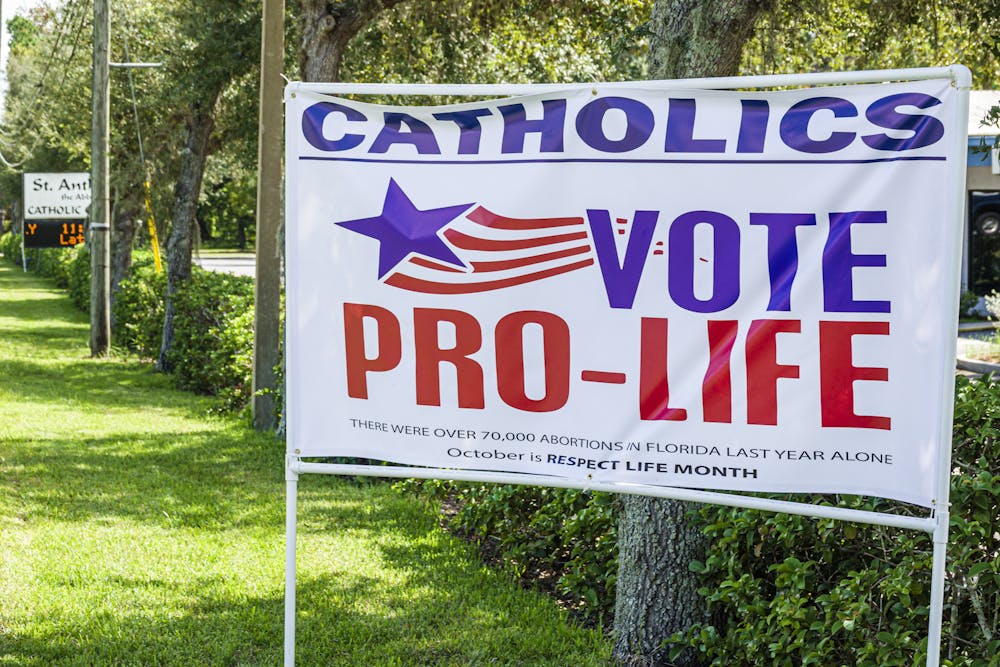
As the United States gets less religious, is it also getting more selfish?
Historically, religious Americans have been civically engaged. Through churches and other faith-based organizations, congregants volunteer, engage in local and national civic organizations and pursue political goals.
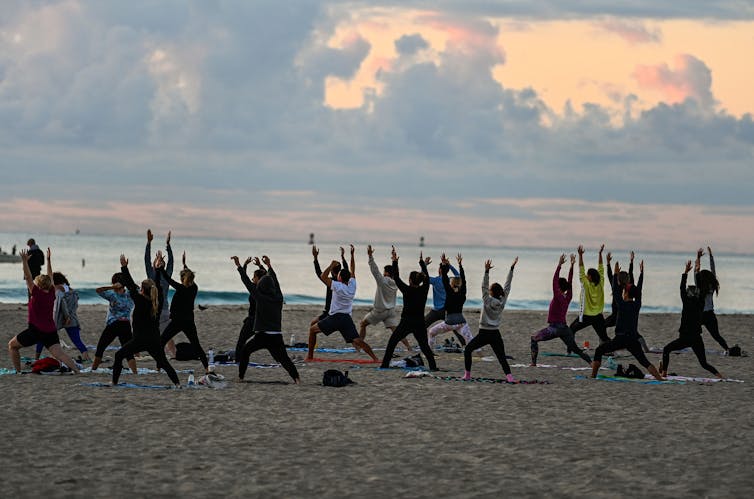
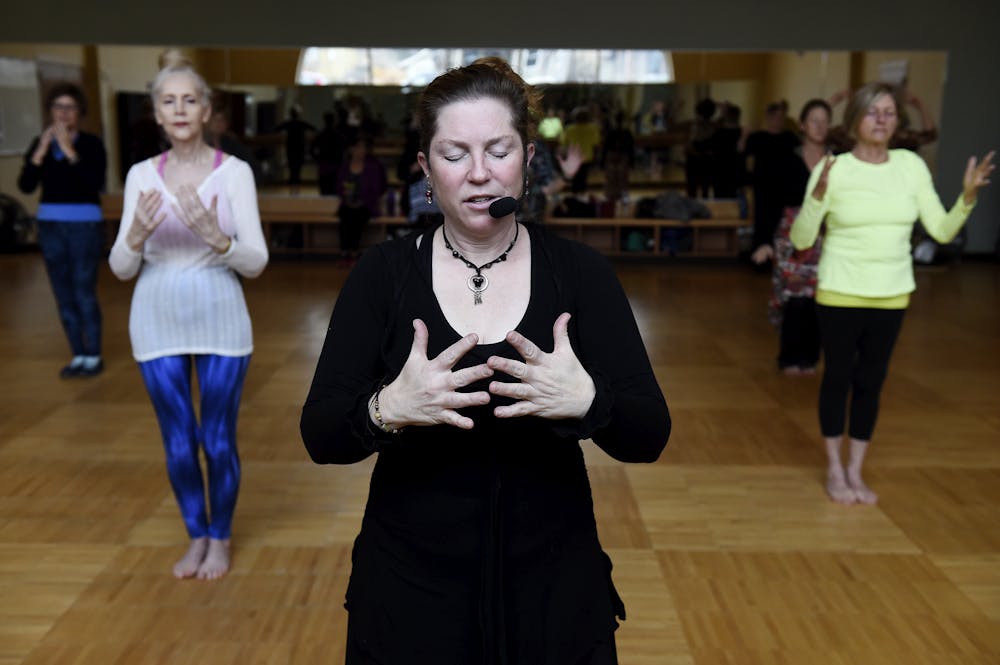
Meanwhile, other kinds of meaningful practice are on the rise, from meditation and yoga to new secular rituals like Sunday assemblies “without God.” Between 2012 and 2017, the percentage of American adults who meditated rose from 4.1% to 14.2%, according to a 2018 CDC report. The number of those who practiced yoga jumped from 9.5% to 14.3%. Not everyone considers these practices “spiritual,” but many do pursue them as an alternative to religious engagement.
As sociologists who study religion and public life, we wanted to answer that question. We used survey data to compare how these two groups of spiritual and religious Americans vote, volunteer and otherwise get involved in their communities.
Spiritually selfish or religiously alienated?
Our research began with the assumption that moving from organized religious practices to spiritual practices could have one of two effects on greater American society.
Spiritual practice could lead people to focus on more selfish or self-interested pursuits, such as their own personal development and career progress, to the detriment of U.S. society and democracy.
This is the argument sociologist Carolyn Chen pursues in her new book “Work, Pray, Code,” about how meditators in Silicon Valley are re-imagining Buddhist practices as productivity tools. As one employee described a company mindfulness program, it helped her “self-manage” and “not get triggered.” While these skills made her happier and gave her “the clarity to handle the complex problems of the company,” Chen shows how they also teach employees to put work first, sacrificing other kinds of social connection.
When workplaces fulfill workers’ most personal needs – providing not only meals and laundry but also recreational activities, spiritual coaches and mindfulness sessions – skilled workers end up spending most of their time at work. They invest in their company’s social capital rather than building ties with their neighbors, religious congregations and other civic groups. They are less likely to frequent local businesses.
Chen suggests that this disinvestment in community can ultimately lead to cuts in public services and weaken democracy.
“They loved to tell me my sexuality doesn’t define me,” one 25-year-old former evangelical, Christian Ethan Stalker, told the Religion News Service in 2021 in describing his former church. “But they shoved a handful of verses down my throat that completely sexualize me as a gay person and … dismissed who I am as a complex human being. That was a huge problem for me.”
We examined the political behaviors of people who engaged in activities such as yoga, meditation, making art, walking in nature, praying and attending religious services. The political activities we measured included voting, volunteering, contacting representatives, protesting and donating to political campaigns.
We then compared those behaviors, distinguishing between people who see these activities as spiritual and those who see the same activities as religious.
Our new study, published in the journal American Sociological Review, finds that spiritual practitioners are just as likely to engage in political activities as the religious.
After we controlled for demographic factors such as age, race and gender, frequent spiritual practitioners were about 30% more likely than nonpractitioners to report doing at least one political activity in the past year. Likewise, devoted religious practitioners were also about 30% more likely to report one of these political behaviors than respondents who do not practice religion.
In other words, we found heightened political engagement among both the religious and spiritual, compared with other people.
The spiritual practitioners we identified seemed particularly likely to be disaffected by the rightward turn in some congregations in recent years. On average, Democrats, women and people who identified as lesbian, gay and bisexual reported more frequent spiritual practices.
In his influential book “Bowling Alone,” Harvard political scientist Robert Putnam suggests American religious disaffiliation is part of a larger trend of overall civic decline. Americans have been disengaging for decades from all kinds of civic groups, from bowling leagues and unions to parent-teacher organizations.
Our study gives good reason to reassess what being an “engaged citizen” means in the 21st century. People may change what they do on a Sunday morning, but checking out of church doesn’t necessarily imply checking out of the political process.
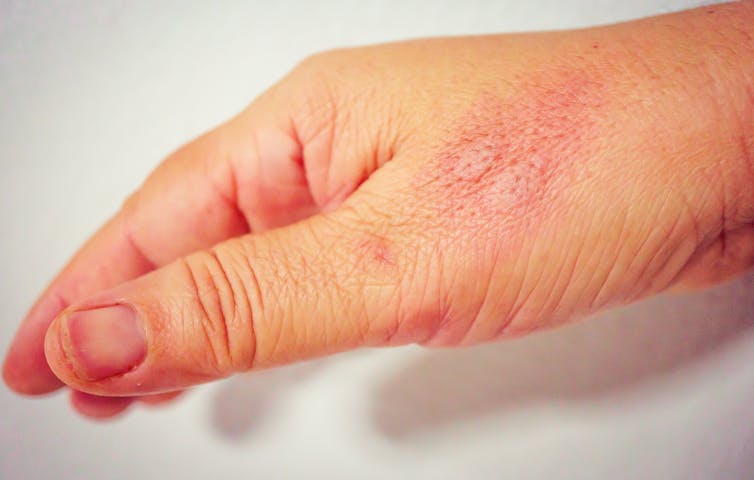
When your body fights off an infection, you develop a fever. If you have arthritis, your joints will hurt. If a bee stings your hand, your hand will swell up and become stiff. These are all manifestations of inflammation occurring in the body.
While inflammation is commonly associated with the pain of an injury or the many diseases it can cause, it is an important part of the normal immune response. The problems arise when this normally helpful function overreacts or overstays its welcome.
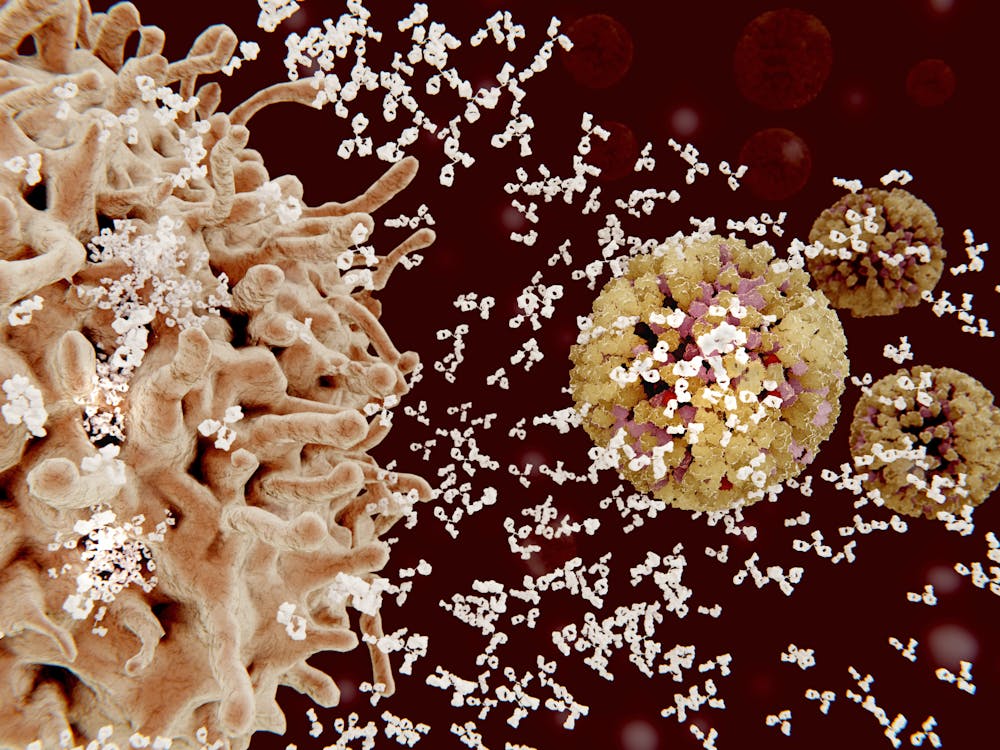
Inflammation is a process in which antibody-producing cells – like the large beige cell on the left of this image – rush to the site of an infection to attack an invader, such as the flu virus in yellow. Juan Gaertner/Science Photo Library via Getty Images
What is inflammation?
Generally speaking, the term inflammation refers to all activities of the immune system that occur where the body is trying to fight off potential or real infections, clear toxic molecules or recover from physical injury. There are five classic physical signs of acute inflammation: heat, pain, redness, swelling and loss of function. Low-grade inflammation might not even produce noticeable symptoms, but the underlying cellular process is the same.
Take a bee sting, for example. The immune system is like a military unit with a wide range of tools in its arsenal. After sensing the toxins, bacteria and physical damage from the sting, the immune system deploys various types of immune cells to the site of the sting. These include T cells, B cells, macrophages and neutrophils, among other cells.
Additionally, these immune cells produce hundreds of types of molecules called cytokines – otherwise known as mediators – that help fight threats and repair harm to the body. But just like in a military attack, inflammation comes with collateral damage.
The mediators that help kill bacteria also kill some healthy cells. Other similar mediating molecules cause blood vessels to leak, leading to accumulation of fluid and influx of more immune cells.
This collateral damage is the reason you develop swelling, redness and pain around a bee sting or after getting a flu shot. Once the immune system clears an infection or foreign invader – whether the toxin in a bee sting or a chemical from the environment – different parts of the inflammatory response take over and help repair the damaged tissue.
After a few days, your body will neutralize the poison from the sting, eliminate any bacteria that got inside and heal any tissue that was harmed.
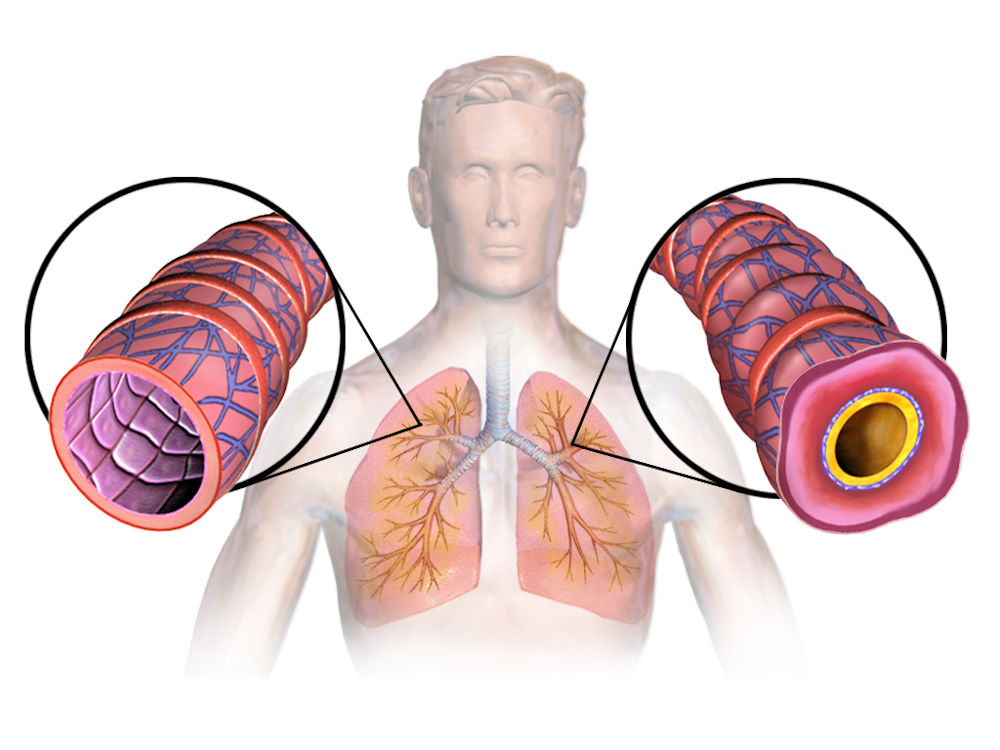
Asthma is caused by inflammation that leads to swelling and a narrowing of airways in the lungs, as seen in the right cutaway in this image. BruceBlaus/Wikimedia Commons, CC BY-SA
Inflammation as a cause of disease
Inflammation is a double-edged sword. It is critical for fighting infections and repairing damaged tissue, but when inflammation occurs for the wrong reasons or becomes chronic, the damage it causes can be harmful.
Allergies, for example, develop when the immune system mistakenly recognizes innocuous substances – like peanuts or pollen – as dangerous. The harm can be minor, like itchy skin, or dangerous if someone’s throat closes up.
Chronic inflammation damages tissues over time and can lead to many noninfectious clinical disorders, including cardiovascular diseases, neurodegenerative disorders, obesity, diabetes and some types of cancers.
The immune system can sometimes mistake one’s own organs and tissues for invaders, leading to inflammation throughout the body or in specific areas. This self-targeted inflammation is what causes the symptoms of autoimmune diseases such as lupus and arthritis.
Another cause of chronic inflammation that researchers like us are currently studying is defects in the mechanisms that curtail inflammation after the body clears an infection.
While inflammation mostly plays out at a cellular level in the body, it is far from a simple mechanism that happens in isolation. Stress, diet and nutrition, as well as genetic and environmental factors, have all been shown to regulate inflammation in some way.
There is still a lot to be learned about what leads to harmful forms of inflammation, but a healthy diet and avoiding stress can go a long way toward helping maintain the delicate balance between a strong immune response and harmful chronic inflammation.
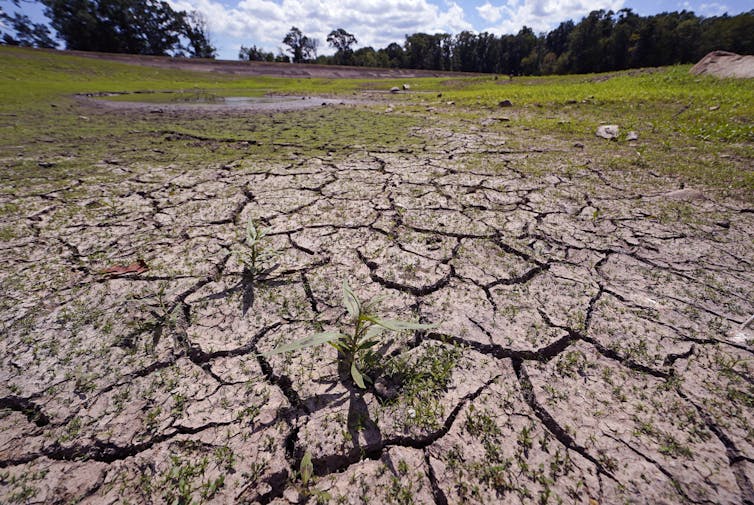
Many people are familiar with flash floods – torrents that develop quickly after heavy rainfall. But there’s also such a thing as a flash drought, and these sudden, extreme dry spells are becoming a big concern for farmers and water utilities.
Flash droughts start and intensify quickly, over periods of weeks to months, compared to years or decades for conventional droughts. Still, they can cause substantial economic damage, since communities have less time to prepare for the impacts of a rapidly evolving drought. In 2017, a flash drought in Montana and the Dakotas damaged crops and grasses that served as forage for cattle, causing US$2.6 billion in agricultural losses.
Flash droughts typically result from a combination of lower-then-normal precipitation and higher temperatures. Together, these factors reduce overall land surface moisture.
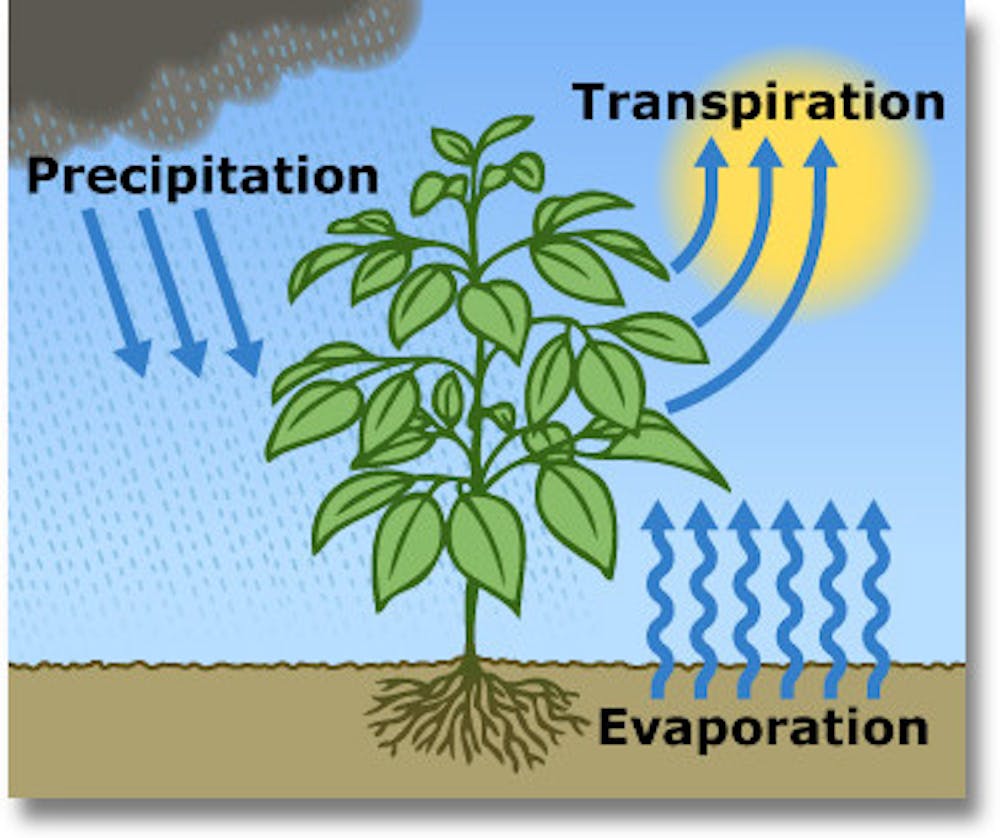
Water constantly cycles between land and the atmosphere. Under normal conditions, moisture from rainfall or snowfall accumulates in the soil during wet seasons. Plants draw water up through their roots and release water vapor into the air through their leaves, a process called transpiration. Some moisture also evaporates directly from the soil into the air.
Water constantly circulates between soil and the atmosphere – sometimes directly, sometimes via plants. USGS
Scientists refer to the amount of water that could be transferred from the land to the atmosphere as evaporative demand – a measure of how “thirsty” the atmosphere is. Higher temperatures increase evaporative demand, which makes water evaporate faster. When soil contains enough moisture, it can meet this demand.
But if soil moisture is depleted – for example, if precipitation drops below normal levels for months – then evaporation from the land surface can’t provide all the moisture that a thirsty atmosphere demands. Reduced moisture at the surface increases surface air temperatures, drying out the soil further. These processes amplify each other, making the area increasingly hot and dry.
Moist regions can have flash droughts
Flash droughts started receiving more attention in the U.S. after notable events in 2012, 2016 and 2017 that reduced crop yields and increased wildfire risks. In 2012, areas in the Midwest that had had near-normal precipitation conditions through May fell into severe drought conditions in June and July, causing more than $30 billion in damages.
Conventional droughts, like the Dust Bowl of the 1930s or the current 22-year drought across the southwestern U.S., develop over periods of years. Scientists rely on monitoring and prediction tools, such as measurements of temperature and rainfall, as well as models, to forecast their evolution.
Predicting flash drought events that occur on monthly to weekly time scales is much harder with current data and tools, largely due to the chaotic nature of weather and limitations in weather models. That’s why weather forecasters don’t typically make projections beyond 10 days – there is a lot of variation in what can happen over longer time spans.
And climate patterns can shift from year to year, adding to the challenge. For example, Boston had a very wet summer in 2021 before its very dry summer in 2022.
Scientists expect climate change to make precipitation even more variable, especially in wetter regions like the U.S. Northeast. This will make it more difficult to forecast and prepare for flash droughts well in advance.
But new monitoring tools that measure evaporative demand can provide early warnings for regions experiencing abnormal conditions. Information from these systems can give farmers and utilities sufficient lead time to adjust their operations and minimize their risks.
There are many things in life we have little to no ability to change or affect. There are things though, that we have complete control over in our lives and that is where we should focus our energy on. For example, you may have no control over how others perceive you or how they think about you in general, but you do have control over how you treat other people and how you view yourself. One would hope that how we act and treat others, and the words we chose to have some influence on the opinions of others but in the end, it is something that is out of our control.
Basically, your life is yours to lead, and how you live it has a great influence on how much happiness you have in life. You can live your life selfishly, find some quick self-gratification and temporary bliss from possessions and wealth or you can choose to live a more selfless and humble life. Not everyone is cut out to be like a monk and live without any sort of possessions and be totally selfless, but we can find a balance between serving the ego and serving others.
I believe that we all have been given life not only to live and experience all it has to give but also to be stewards of the earth and to teach, help and love one another. Each one of us has a part to play in this grand design of life and each part is unique to each person. Some of us are here to teach, some are here to heal, and so on. Discovery your the part you are to play is not always easy but usually the gifts you were given usually give you clues as to what you are supposed to be doing in life. One example is if you have a natural talent for playing the piano, you could be here to give people entertainment or teach others how to play the piano or you may write a song that changes the minds of others.
Life can be complicated and so can how your mind works, the mind can be your best asset and it also can be an obstacle. Many people battle with depression, low self-esteem, and poor self-image and that will make it an uphill battle in finding happiness in life. Most of us face the memories of past mistakes and the regrets that come from them and many times we face trauma from past experiences that we have a hard time letting go of as well. And once again we come to things we can not change, things in our past are set and won’t change o matter how much we wish they would. Though we can not change the past, we can change how we deal with those past experiences and memories, how we process them, and how they affect us in the present.
We must let go of our past mistakes and the traumatic experiences we suffered due to circumstances and others. Forgiveness is one step in putting those things behind you, you must forgive yourself for the mistakes you have made and forgive others for what they had done as well. Forgiving others serves to free you from the hurt and pain others brought on you more than to free them of guilt. Think about it, how many times have you done something wrong and had been forgiven but yet hold on to the regret? That’s because you haven’t forgiven yourself, so you haven’t released yourself from the grief associated with your mistakes. So forgiving someone is more beneficial to you than it is for the person you are forgiving in the long run.
You can also look at it this way, if the person feels no regret over what they did to you in the first place, then how is the person you are forgiving gaining from your forgiveness? It is about letting go of the hurt, pain, and anger you hold towards the person that has done you wrong in the end. Also Just because you forgave someone does not mean you will forget what they did, and thus the trust they lost will stay the same.
Unloading that baggage of past hurt and regret frees up your mind to focus on more important things, such as being happy and enjoying life with those you love. So that leaves us dealing with poor self-image and self-esteem issues, which is a harder issue since we all have different reasons for being down on ourselves. Could be a combination of us accepting negative opinions of family and/or peers, our own negative opinions of ourselves, and past failures.
You can try to trace things back to their origin, try and figure out why you accepted it as truth, and then accept that it was only opinion, not fact. To be honest there are many self-help books out there dealing with this and if they are not helpful I would suggest getting help from a professional if it is a severe case.
Do your best to change what is within your power and learn to accept the things you can not control or change my friend. Peace and Blessings to all!
History shows us there always was a small percentage that was in power and possessed the majority of the wealth. Regardless of the type of political system, there were always a few that had and the rest that struggled to have or had not. Even Communism and Socialism fell into that problem, in theory, those two types of governing sounded good, but those on top hoarded the money and lived in luxury as those they governed lived a meager and sometimes very impoverished existence. And to maintain that power and privilege those in power use force and fear to keep the common citizens in control.
This happens in all political systems to one degree or another, be it in the governing body or through the power of the rich merchants and business leaders. It has been a battle between those in power and the common citizens for centuries. Even democracy has fallen prey to the wealthy and powerful in multiple ways. The problem lies in the human condition, the desire for power and wealth, and the fear of losing those things. There is also the fact those who are wealthy lose touch with how it is on the bottom of the financial ladder, how it is to live from paycheck to paycheck or be faced with the choice of getting food or medicine etc.
It is sad to see profits being a higher priority and wealth as more important than those people who are starving, living in the streets and struggling to survive. Also a shame when you see so many who want to sunset social security and medicare when it was paid into by those on it all their lives. Those in retirement where the ones that worked to maintain the level of life the rich enjoy and voted all those politicians into office. Elderly people are not disposable, they should be respected and looked to for the wisdom they possess and many of us have either forgotten or never learned.
The wealth divide is growing ever wider and there is very little hope to be seen at this point in history. Both democrats and republicans need to put thier rhetoric aside and start representing all the people not just a portin of their base. Time to stop the partisan bull hockey and reach across the isle and come up with real solutions that both sides can benifit from. Right now those that are representing us citizens are acting somewhat immature and seem set on dividing the nation instead of doing thier actual jobs.
We The People is meant to be all of us not just one political party or the other or just some obscure percentage. If things dont change soon we will be the divided states of america and what we once known as a democratic republic may be gone. Both political parties are to blame in one fashion or another. The greatest threat to our democracy is not which party is in power but how they goveren and if they serve us the people or their own agendas. Something to think about when you go out to vote tuesday!
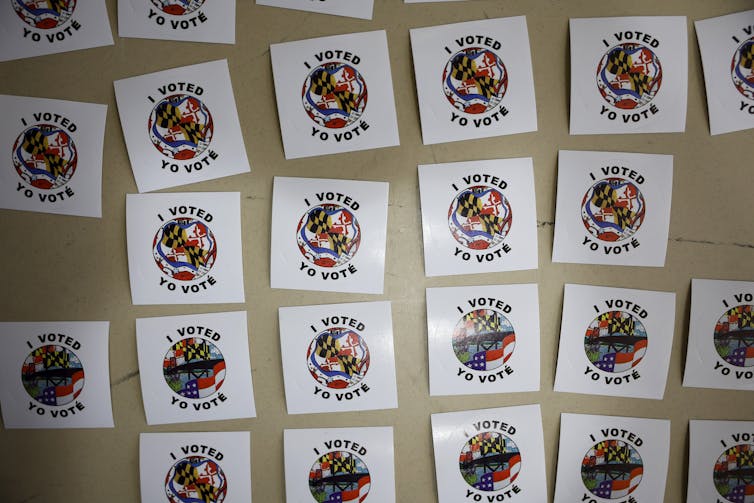
But even it that is the case, it is likely that a large chunk of eligible voters – perhaps around half – will not bother. Many obstacles prevent citizens from voting, such as uncertainty about how to register or an inability to get to the polls. But there is a subset of nonvoters who make a conscious choice not to vote for ethical reasons.
The three most common reasons I hear are: “I don’t have enough information,” “I don’t like any of the candidates,” and “I don’t want to give this election legitimacy.” It is worth examining why, in my view, each argument is flawed, and if, given the unique circumstances of this year’s election, there is at least one ethical reason not to vote.
1. Lack of information
According to a study by the 100 Million Project, nonvoters are twice as likely as active voters to say they do not feel they have enough information about candidates and issues to decide how to vote. This group of nonvoters might believe that it is unethical to vote because they are uninformed. In “The Ethics of Voting,” political philosopher Jason Brennan argues that uninformed citizens have an ethical obligation not to cast votes, because their uninformed votes can produce results that damage our political system.
The honesty of this group of nonvoters is praiseworthy, especially in comparison with overconfident voters who suffer from what psychologists call the “Dunning-Kruger effect” and wrongly believe that they are better informed than they are.
But an uninformed voter can fix that problem and remove the ethical dilemma – and with minimal time and effort. Information about each candidate’s platform is more accessible than ever. It can be found online, in print and through conversation. The problem today is instead how to find reliable, nonpartisan information. One of the clear benefits of mail-in voting is that it gives voters more time to fill out their ballot carefully without feeling rushed. While completing the ballot at home, they can educate themselves about each of the candidates and issues.
2. Dislike of the candidates
Another common reason for not voting is dislike of the candidates. In fact, an Ipsos study found that 20% of nonvoters in the 2020 presidential election did not vote because of a dislike of the candidates. Based on their dislike of both candidates, they found themselves unable to vote for either one in good conscience.
What this leaves open, however, is the question of where this “dislike” comes from. It is quite possibly the product of negative campaigning, which promotes negative attitudes toward the opposing candidate. If you already dislike one party’s candidate, negative ads encourage an equally negative feeling toward the other party’s candidate. This suggests that negative campaign advertising carries out a strategy to depress overall voter turnout by making voters dislike both candidates.
But dislike is not a sufficient reason for abstaining. The mistake here, I believe, is that choices are not always between a positive and negative, a good and a bad. Voters often have to choose between two good or two bad options. It’s also worth noting that, in addition to the top of the ticket, there are often important state and local contests on the ballot. Finding just one candidate or policy proposal that you truly support can make the effort to vote worthwhile. State and local races are sometimes very close, so each vote really can be meaningful.
3. Contributing to a corrupt system
Two common reasons given for not voting are the attitudes that their vote “does not matter” and that “the political system is corrupt,” which together account for about 20% of the nonvoting population, according to the 100 Million Project’s survey of nonvoters. Voter turnout is often interpreted as a sign of public support that establishes political legitimacy. By abstaining, some nonvoters might see themselves as opting out from a corrupt system that produces illegitimate results.
This way of thinking might be justified in an authoritarian regime, for example, which occasionally holds fake elections to demonstrate popular support. In such a society, abstaining from voting might make a legitimate point about the absence of open and fair elections. A 2019 report ranks the U.S. as the 25th-most democratic country, classifying it as a “flawed democracy” but a democracy nonetheless. If democratic elections are legitimate and their results are respected, voter abstention in the U.S. has no practical impact that would distinguish it from voter apathy.
All three of the above arguments fail, in my opinion, because they measure the worth of voting primarily in terms of its results. Voting may or may not yield the outcome individuals want, but without it, there is no democratic society.
4. However …
During the pandemic, there was, in my view, one valid ethical reason for not voting, at least not in person. Election Day in 2020 took place during a spike in COVID-19 cases, and those with symptoms or quarantining were certainly excused, ethically, from not showing up to the polls. The good of their vote was outweighed by the potential harm of exposing other voters to the virus.
People are still coming down with COVID-19, but even in nonpandemic times, would-be voters can be struck down by illness.
Knowing this could happen, voters need to adopt what ethicists call “the precautionary principle.” This principle says people should take steps to avoid or reduce harms to others, such as risking their life or health.
Based on the precautionary principle, an ethicist could argue that individuals ought to request absentee ballots if their state provides this option. Or to ensure that their ability to vote isn’t compromised by later illness, they might want to vote early.
We all play a part in society, we all have an influence on the world around us and that influence is important regardless of how big or small it may be. How we act in public, how we treat others, and the words we say are observed by others and it influences how they think and acts as well. Humans are instinctually tribal and tend to reflect those in their tribes/groups. Birds of the same feather flock together come to mind, and how true that is. Starts as early as elementary school and is very noticeable by high school. We form into cliques and social classes in those years and until we venture out in life for some time we tend to stick to the basic mindset of the groups we formed during those years.
Even those like me that were more of the outsider, lone wolf, and unpopular kid in their school years had formed behaviors and beliefs through the experiences they had during those years. The good thing is as you age you have plenty of opportunities to adapt your way of seeing life and how you act in it, even though those core beliefs from school years tend to play some part in how we develop, they are not immovable objects or unstoppable force in our lives. So we all can change the course we are in life, and become greater than the sum of our parts and experiences. We also can become great influencers on those around us and can either lead others to a more compassionate and peaceful way of life or bring them along the path of ruin.
The ability to think for one’s self and outside the box/norm is a great asset for an individual. Do not fall into the sheep mentality and follow blindly all that is spoon-fed to you by media and peers. Question and verify all, make your own path in life, and try to remain compassionate towards all life. Take time out from all the news outlets and social media and give yourself time to think about it all for yourself. Dont accept a package you dislike just to gain one item within it, especially if the rest of the package is against your core beliefs and values. It is not worth selling out who you are deep within just to get one win.
Be true to yourself and keep your eyes wide open friends.
Despite the important and ever-increasing role of artificial intelligence in many parts of modern society, there is very little policy or regulation governing the development and use of AI systems in the U.S. Tech companies have largely been left to regulate themselves in this arena, potentially leading to decisions and situations that have garnered criticism.
There are some government recommendations and guidance regarding AI use. But in early October 2022, the White House Office of Science and Technology Policy added to federal guidance in a big way by releasing the Blueprint for an AI Bill of Rights.
The Office of Science and Technology says that the protections outlined in the document should be applied to all automated systems. The blueprint spells out “five principles that should guide the design, use, and deployment of automated systems to protect the American public in the age of artificial intelligence.” The hope is that this document can act as a guide to help prevent AI systems from limiting the rights of U.S. residents.
As a computer scientist who studies the ways people interact with AI systems – and in particular how anti-Blackness mediates those interactions – I find this guide a step in the right direction, even though it has some holes and is not enforceable.
It is critically important to include feedback from the people who are going to to be most affected by an AI system – especially marginalized communities – during development. FilippoBacci/E+ via Getty Images
Improving systems for all
The first two principles aim to address the safety and effectiveness of AI systems as well as the major risk of AI furthering discrimination.
To improve the safety and effectiveness of AI, the first principle suggests that AI systems should be developed not only by experts, but also with direct input from the people and communities who will use and be affected by the systems. Exploited and marginalized communities are often left to deal with the consequences of AI systems without having much say in their development. Research has shown that direct and genuine community involvement in the development process is important for deploying technologies that have a positive and lasting impact on those communities.
The second principle focuses on the known problem of algorithmic discrimination within AI systems. A well-known example of this problem is how mortgage approval algorithms discriminate against minorities. The document asks for companies to develop AI systems that do not treat people differently based on their race, sex or other protected class status. It suggests companies employ tools such as equity assessments that can help assess how an AI system may impact members of exploited and marginalized communities.
These first two principles address big issues of bias and fairness found in AI development and use.
Privacy, transparency and control
The final three principles outline ways to give people more control when interacting with AI systems.
The third principle is on data privacy. It seeks to ensure that people have more say about how their data is used and are protected from abusive data practices. This section aims to address situations where, for example, companies use deceptive design to manipulate users into giving away their data. The blueprint calls for practices like not taking a person’s data unless they consent to it and asking in a way that is understandable to that person.
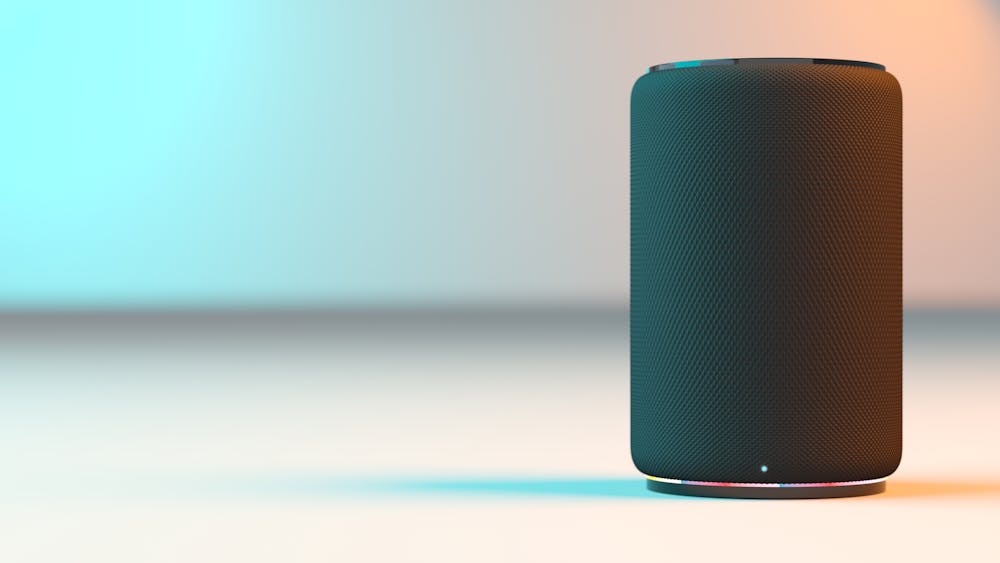
Smart speakers have been caught collecting and storing conversations without users’ knowledge. Olemedia/E+ via Getty Images
The next principle focuses on “notice and explanation.” It highlights the importance of transparency – people should know how an AI system is being used as well as the ways in which an AI contributes to outcomes that might affect them. Take, for example the New York City Administration for Child Services. Research has shown that the agency uses outsourced AI systems to predict child maltreatment, systems that most people don’t realize are being used, even when they are being investigated.
The AI Bill of Rights provides a guideline that people in New York in this example who are affected by the AI systems in use should be notified that an AI was involved and have access to an explanation of what the AI did. Research has shown that building transparency into AI systems can reduce the risk of errors or misuse.
The last principle of the AI Bill of Rights outlines a framework for human alternatives, consideration and feedback. The section specifies that people should be able to opt out of the use of AI or other automated systems in favor of a human alternative where reasonable.
As an example of how these last two principles might work together, take the case of someone applying for a mortgage. They would be informed if an AI algorithm was used to consider their application and would have the option of opting out of that AI use in favor of an actual person.
Smart guidelines, no enforceability
The five principles laid out in the AI Bill of Rights address many of the issues scholars have raised over the design and use of AI. Nonetheless, this is a nonbinding document and not currently enforceable.
It may be too much to hope that industry and government agencies will put these ideas to use in the exact ways the White House urges. If the ongoing regulatory battle over data privacy offers any guidance, tech companies will continue to push for self-regulation.
One other issue that I see within the AI Bill of Rights is that it fails to directly call out systems of oppression – like racism or sexism – and how they can influence the use and development of AI. For example, studies have shown that inaccurate assumptions built into AI algorithms used in health care have led to worse care for Black patients. I have argued that anti-Black racism should be directly addressed when developing AI systems. While the AI Bill of Rights addresses ideas of bias and fairness, the lack of focus on systems of oppression is a notable hole and a known issue within AI development.
Despite these shortcomings, this blueprint could be a positive step toward better AI systems, and maybe the first step toward regulation. A document such as this one, even if not policy, can be a powerful reference for people advocating for changes in the way an organization develops and uses AI systems.
Christopher Dancy, Associate Professor of Industrial & Manufacturing Engineering and Computer Science & Engineering, Penn State
Living in a world that is full of fear, politics, and hate, Living and wishing that we all would choose a better fate, Wanting to see a change towards compassion before it is too late. They hate someone who is of another color and race, and they despise those who don’t belong to their political base. They create reasons to hate each other at an exponential pace. Love tries to break through all the hate and light the way, respect is what we need in all we do and say, Hope keeps us moving forward toward a better day.
Question why you hate and ask why you fear, Question all that you see and verify all that you hear, Question everything and think for yourself if you hold life and this world dear. Be true to yourself and be fair to all, don’t let fear or anger lead you to fall, and be ready to share compassion and answer love’s call. No one is above and no one is below, we are the same in the cosmic flow, and we all have a part to play in this cosmic show.
Our color or race matters not, our sex or preference matters not, we are all human and this is the only life we got. Right or Left matters none, we as a species are one, how we live and treat each other is what matters when it’s all said and done. Fear just divides and keeps one distracted and lost, hate destroys those who embrace it and has a heavy cost.
Acceptence, tolerance, and compassion are the keys to being forward-moving, Love is the fuel for our hearts to keep on grooving. Respect is the foundation we must build on, Life is what we must cherish before it is gone. We all are human and need to see that is true, working as one and doing for others is what we all need to do. If you choose to love or you choose to hate and fear it is all up to you.
The website Being Fit Start Now focuses on helping women, particularly those over 40, achieve their health and fitness goals from the comfort of their homes. It provides a variety of resources, including at-home workout programs, weight loss tips, and nutritional guidance. The site offers specific fitness routines, such as yoga workouts, full-body exercises, and specialized routines for reducing belly fat, all designed for different age groups, especially women over 40 and 50. Additionally, it features dietary advice, supplement recommendations, and healthy recipes aimed at supporting weight loss and overall wellness.







 Dovestar
.png#/media/File:Asthma_(Lungs).png)
You must be logged in to post a comment.