Somedays I just sit here and reminisce about my younger years, the passion I once had, the dreams I had, and how time has eroded most of that away. I look back and see how many opportunities I let slip by me and the results of missing those opportunities affect my current life. Too many what-ifs plague my mind at times and that takes away from my ability to make better choices in the present moment. Though I am aging and am slowed down physically due to some poor choices I have made, I still try to continue on this path before me.
To the young, I say take the risks when you can, they may pay off in the future. Live in the moment but remember to prepare for the future ahead of you. Shrug off any fear you may have, it only holds you back and keeps you from moving forward and possibly keeps you from the gifts laying before you. It is far better to try and fail than to regret never trying later on in life, and most of all plan for retirement from the very start.
Life is not as long as you think it is when you are young, it will pass you by in a flash and you will find yourself wishing you had done far more while you were young and able. Also, the older you get the less people seem to respect you or care about your well-being it seems. Unfortunately, this world is too indifferent toward the needs and wants of the older population. Too many see older people as disposable and rather turn a blind eye to them and their issues than care for and celebrate them and their life and contributions to the world we now live in.
Do not let life pass you by and leave you on the roadside like litter, plan and be prepared for the so-called golden years ahead of you. They will sneak up on you way faster than you could possibly imagine. Have compassion for those who were blessed enough to make it to the later years of life and respect them as well. The older generation happens to be the people who helped build the world you live in today.
It amazes me how we humans can turn a blind eye to the troubles of this world and act as if they do not exist. Maybe it is because we feel helpless to change them, or maybe it is because we are too cozy in our own little worlds. But I believe this way of living is detrimental, not only to ourselves but also to the world we inhabit.
We should not be ignorant of the pain of others, the unfairness of society, the damage to nature, and the dangers to our future. We should not act as if everything is okay when it is clearly not. We should not just wish that someone else will solve things for us. We should take accountability for our deeds and their outcomes. We should be mindful, empathetic, and active.
I understand it is difficult to face reality sometimes. I understand it can be daunting and frightening. I understand it can make us feel sorrowful, furious, or hopeless. But I also understand that ignoring reality will not make it disappear. It will only make it worse. And I understand that we have the ability to make a difference if we decide to.
We have the ability to assist others in distress, fight for what is right, preserve and heal our environment, and determine our fate. We have the ability to create a better world for ourselves and for future generations. We have the ability to live a significant and satisfying life.
But we have to use that ability wisely and responsibly. We have to open our eyes and see what is happening around us. We have to open our hearts and feel what others are feeling. We have to open our minds and think of solutions. And we have to open our hands and take action.
We should not just ignore and be blind. We should care and be kind.
In ancient times the elders of the tribe were celebrated and looked upon as wise counselors and leaders. They Told stories of old times, advised the young when called upon, and kept the tribe safe. The Tribe would make sure the elders always had adequate food and shelter and loved them as they should.
Unfortunately, in modern times elders are looked upon as burdens, relics of the past, and disposable. Elder generations starve themselves in order to pay for medications needed to keep themselves alive and to pay rent so that they can have a place to rest their head. Grown children place their parents in rest homes that gladly take the money from social security and barely take care of the elderly in their care.
A Government that sees the elderly as a financial burden on the system and seeks a way to eventually sunset social security and Medicare in the name of fiscal responsibility. I find it so funny how it is bad to spend money to help the elderly and poor but so acceptable if not celebrated to spend money on things that benefit the wealthy and big business.
Considering that a senator can serve one term and get a retirement that is quite above what one would get from social security working their whole life, I guess I can see how they care very little about social security since their own retirement is so secure. Really sad how modern society and the government view and treat our elderly. Everyone deserves to be respected, and everyone deserves an income that is livable.
We need to learn from our history and remember the importance of our elders and all others in the tribe of humanity. People need to vote out those who do not do their job in representing all people in the state they represent and vote for better candidates. Families need to revere the elders and when they have no choice but to put the elderly in rest homes, they need to make sure the rest home is doing the job they are supposed to do.
So much is broken in our modern world, and so much is overlooked and allowed to go on without any oversight or consequences. Too much is lost in the rhetoric of politics and the war for the best ratings in news agencies. So much is lost in the name of popularism and profit, and so many people are forgotten as well.
Do not let your parents, grandparents, and elders in your community be left behind and treated like they are disposable. One day it may be you who are the elder person being cast aside and forgotten. So what you do today to protect the elderly will one day protect you as you age.
Toxic people are unfortunately a fact of life. Whether it’s a friend, family member, or coworker, we’ve all come across someone who seems to constantly bring negativity and drama into our lives. Dealing with toxic people can be difficult and draining, but there are strategies you can use to protect yourself and maintain your mental health.
Firstly, it’s important to identify toxic behaviors. Toxic people tend to be negative, and critical, and always seem to be in conflict with others. They may gossip or spread rumors, undermine your confidence, or try to control your actions. They may also be manipulative, playing on your emotions to get what they want.
Once you’ve identified toxic behaviors, it’s important to set boundaries. This can be difficult, especially if the toxic person is a friend or family member, but it’s essential for your well-being. You can start by limiting your interactions with them and avoiding conversations that involve negativity or drama. If you have to interact with them, keep your conversations light and focused on positive topics.
It’s also important to remember that toxic people often thrive on conflict and drama, so don’t engage with them when they try to bait you into an argument. Instead, take a step back and remind yourself that their behavior is not a reflection of you. Focus on your own goals and priorities, and don’t let their negativity derail your progress.
Another important strategy is to surround yourself with positive influences. Seek out friends and family members who support you and lift you up, and try to spend more time with them. You can also seek out new social circles or hobbies that bring you joy and fulfillment. By focusing on positive influences, you’ll have a better perspective on life and be better equipped to deal with toxic people when they arise.
Finally, it’s important to practice self-care. Dealing with toxic people can be draining, so it’s important to take care of yourself both physically and mentally. Make sure to get enough sleep, eat a healthy diet, and exercise regularly. You can also practice mindfulness and relaxation techniques, such as meditation or yoga, to help you stay centered and focused.
In conclusion, dealing with toxic people is never easy, but it’s important to remember that you have the power to protect yourself and maintain your mental health. By identifying toxic behaviors, setting boundaries, surrounding yourself with positive influences, and practicing self-care, you can stay resilient and focused on your own goals and priorities.
Here are a few websites that may help you with toxic people and mental health issues
Psychology Today – A website that offers articles and resources on psychology and mental health, including tips for dealing with toxic people.
Tiny Buddha – A personal development website that provides articles and resources on mindfulness, happiness, and personal growth. They have a section specifically on toxic people and how to deal with them.
The Gottman Institute – A website dedicated to improving relationships through research-based principles. They have an article on how to deal with toxic people, specifically in the context of romantic relationships.
The National Alliance on Mental Illness (NAMI) – A mental health organization that provides resources and support for individuals and families affected by mental illness. They have a section on their website dedicated to dealing with difficult people.
Mindful – A website that offers resources and information on mindfulness and meditation. They have an article on how to protect yourself from toxic people by cultivating mindfulness.
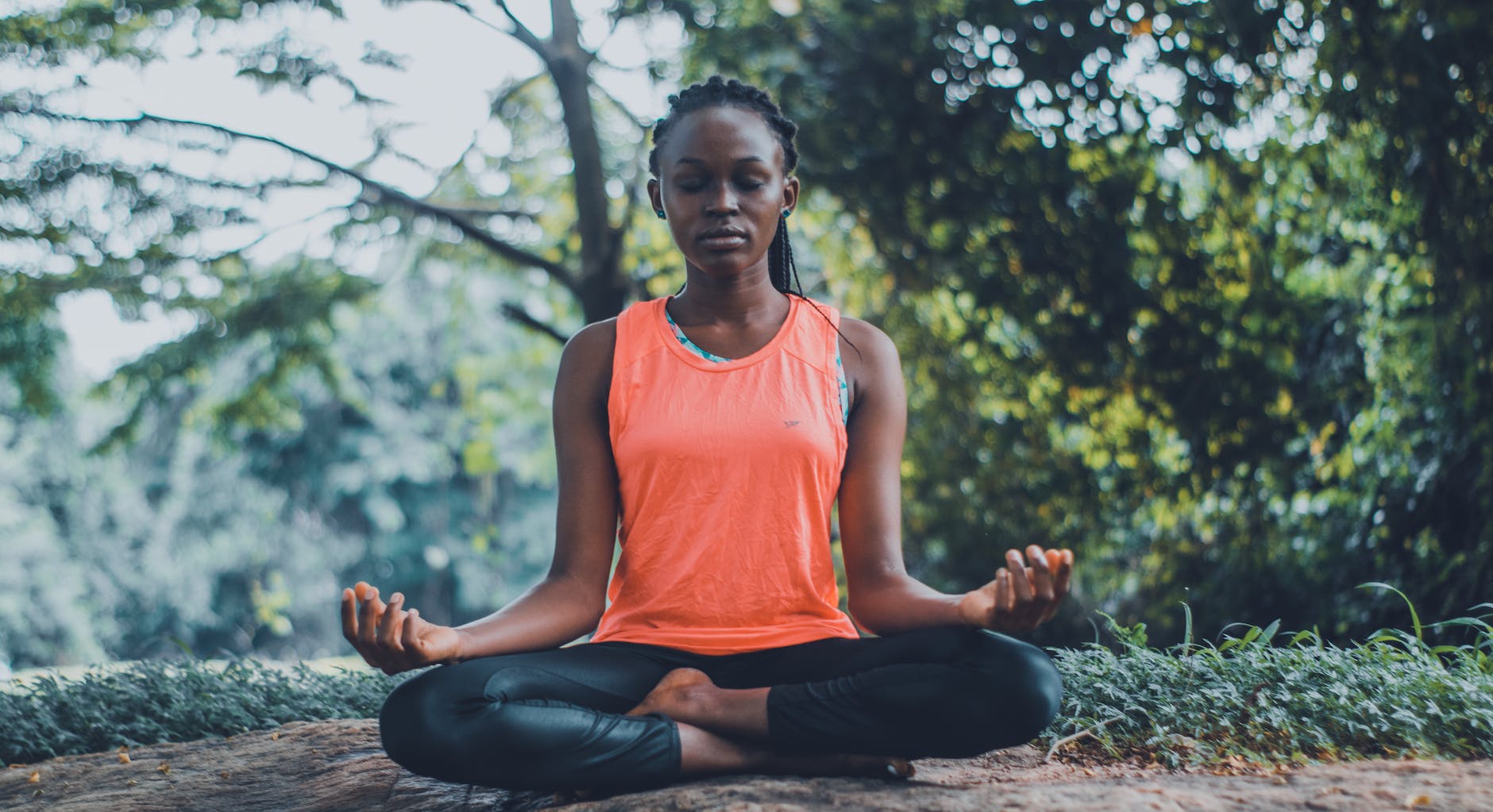
Meditation is a practice that has been around for thousands of years, and its popularity has been on the rise in recent times. While meditation was initially seen as a spiritual practice, it is now widely recognized for its numerous health benefits.
As someone who has been meditating for several years now, I can personally attest to the positive impact it has had on my overall health and well-being. In this blog post, I want to share with you some of the health benefits of meditation and why you should consider incorporating this practice into your daily routine.
Reduced Stress and Anxiety
One of the most well-known benefits of meditation is its ability to reduce stress and anxiety. Meditation helps you to focus on the present moment, letting go of any negative thoughts or worries about the future. It promotes a sense of calm and relaxation, which can help to lower your heart rate and blood pressure.
Improved Focus and Concentration
Meditation involves training your mind to focus on a particular object, such as your breath or a mantra. This practice can help to improve your concentration and focus, making it easier for you to stay on task and be more productive throughout the day.
Better Sleep
Meditation can also help to improve the quality of your sleep. It helps to calm your mind and reduce racing thoughts, making it easier for you to fall asleep and stay asleep throughout the night. Regular meditation can help to establish a healthy sleep routine, leading to better overall health and well-being.
Increased Self-Awareness
Meditation is a practice that involves being present and aware of your thoughts and feelings. It helps you to become more self-aware, which can lead to a better understanding of your own emotions and behaviors. This increased self-awareness can help you to make better decisions and improve your relationships with others.
Reduced Pain
Meditation has also been shown to help reduce chronic pain. By focusing your mind on something other than the pain, you can help to reduce the intensity of the pain and improve your overall quality of life.
In conclusion, meditation is a simple and effective way to improve your overall health and well-being. It can help to reduce stress and anxiety, improve focus and concentration, promote better sleep, increase self-awareness, and reduce chronic pain. Incorporating meditation into your daily routine doesn’t require a significant time commitment, and it can be done anywhere, making it a convenient practice to incorporate into your daily life. So why not give it a try? Your mind and body will thank you.
Oh, how easy it is to get lost in your own mind, caught in worries, and in your own insecurities. To be locked in a never-ending cycle of what if, why me, and life isn’t fair. We tend to be stuck in a tunnel view of life at times. It is so easy to fall into the trap of seeing things as always about ourselves or that the world is against us. I think everyone deals with such thoughts and feelings from time to time, and that is okay I think. But being constantly stuck in that train of thought is unhealthy and it keeps us from moving forward and from enjoying life.
Life is about everyone and everything around us, we are not the center of the universe though it is easy to feel like the center of things. I believe it is human nature to be somewhat self-centered, It is part of the self-preservation mechanism within us all. I do not think it is even possible to be totally selfless, though I do think we can reach a pretty high percentage of being such. But then again there are known mental illnesses such as the martyr syndrome and so on that may make one appear more so selfless and other mental illnesses that can cause the opposite effect.
I think people should regularly check themselves, see how they treat others, and how they react to being treated by others as well. Since how one person acts and treats others influences all those around them in one fashion or another, then we should try to be a force for good in society. We should try to lead by example, and treat others, and ourselves in a kind and compassionate manner. If more people focused on how they treated others around them, the less toxic people and environments we all would have to encounter. Being toxic and/or self-entitled is damaging to society and in the long run, will only eat away at the person being toxic and/or self-entitled.
A percentage of toxic and self-entitled people may be suffering some sort of emotional or mental illness, and we should remember that. It is best to avoid those people if you can not get through to them and set boundaries for them when it comes to your relationship. Do not allow the toxic behavior of others to bait you into being toxic yourself, you have to hold the high ground and lead by example. It is so easy to fall prey to being baited into a word battle with toxic people. They seem to enjoy causing turmoil and thrive in the toxic atmosphere.
It is not easy to try and be a good-hearted individual, to think of others as much if not more than yourself. But then anything worthwhile takes a lot of effort, and it does not only help you emotionally and mentally, but it also helps those around you. To love, have compassion for others, and be charitable are very important and are quite therapeutic in the end. When we help others we are also helping ourselves, it causes our body to produce chemicals that make us feel happy or content. The human body and brain are geared towards pleasure as a reward, reason why humans are so prone to addiction, But that’s a topic for another post.
In the end, it boils down to the battle between the self-centered and benevolent sides of our ego. When they are in balance all is good, when it tips one way or another there are complications. Either we will put ourselves before and above all others causing harm to others eventually or we will put others above ourselves to such an extent that we will neglect our own well-being. It is all about balance, and what balance is right for you as an individual.
Just some thoughts for you, not bad for me before my first cup of coffee lol.
Here are some steps that may help to improve low self-esteem:
Challenge negative thoughts: Start by identifying negative self-talk and replace it with positive, more realistic affirmations.
Practice self-care: Engage in activities that bring you joy and help you feel good about yourself.
Set achievable goals: Accomplishing small tasks can boost confidence and help improve self-esteem.
Surround yourself with positive people: Seek out supportive friends and family members who will encourage and motivate you.
Seek professional help: A therapist can help you understand the root causes of low self-esteem and develop effective coping strategies.
Remember, improving self-esteem is a process and it may take time to see results, but with persistence and patience, it is possible to feel better about yourself.
Causes of low self-esteem
Low self-esteem can be caused by a variety of factors, including:
Childhood experiences: Traumatic or negative experiences during childhood can affect a person’s self-esteem.
Perfectionism: Holding oneself to unrealistic standards and constantly feeling like you fall short can lead to low self-esteem.
Social comparison: Constantly comparing oneself to others can lead to feelings of inadequacy and low self-esteem.
Mental health conditions: Depression, anxiety, and other mental health conditions can affect self-esteem.
Relationships: Negative relationships, such as abuse or bullying, can lower self-esteem.
Physical appearance: Society’s emphasis on physical appearance can lead to low self-esteem in people who feel they don’t meet certain standards.
Life events: Significant events, such as the loss of a loved one, divorce, or job loss, can lead to low self-esteem.
It’s important to understand that low self-esteem is a complex issue and there can be many different causes. A combination of factors may contribute to low self-esteem in an individual.
Meditation and Self Esteem
Meditation can be a helpful tool in improving self-esteem by:
Reducing stress and anxiety: By calming the mind, meditation can help reduce the negative impact of stress and anxiety on self-esteem.
Increasing self-awareness: Meditation can help increase self-awareness and help you identify negative thought patterns that may contribute to low self-esteem.
Boosting positive emotions: Regular meditation practice can help cultivate feelings of calm, peace, and joy, which can counteract negative emotions that may contribute to low self-esteem.
Improving self-compassion: Meditation can help increase self-compassion by promoting a kind and non-judgmental attitude towards oneself.
Enhancing focus and concentration: Meditation can improve cognitive abilities such as focus and concentration, leading to improved self-confidence and self-esteem.
It’s important to remember that meditation is just one tool that can help improve self-esteem, and it may take time and consistent practice to see results. It’s also important to seek out additional resources, such as therapy or support groups, if necessary.
Visualization and Self-esteem
Visualization is a technique that involves creating mental images to help achieve a desired outcome. It can be a helpful tool in improving self-esteem by:
Boosting confidence: Visualizing yourself successfully accomplishing a task can help increase self-confidence and improve self-esteem.
Changing negative thought patterns: Visualizing a positive outcome can help replace negative thoughts and beliefs with positive, empowering ones.
Building resilience: Visualizing yourself overcoming obstacles and challenges can help build resilience and improve self-esteem.
Improving self-image: Visualizing yourself as confident and capable can help improve your self-image and increase self-esteem.
Enhancing motivation: Visualizing your desired outcome can help increase motivation and drive to achieve your goals, which can help improve self-esteem.
Visualization is a tool that can be used in conjunction with other self-esteem-building techniques, such as positive affirmations, self-care, and goal setting. It’s important to remember that visualization is just one tool and consistent effort and practice may be needed to see results.
Diet and self-esteem
Diet can have an impact on self-esteem by affecting physical and mental health. Here are some ways diet can impact self-esteem:
Physical appearance: A well-balanced diet that provides essential nutrients can improve physical appearance, leading to increased self-esteem.
Energy levels: A balanced diet that provides sufficient nutrients can help improve energy levels, which can enhance feelings of well-being and boost self-esteem.
Mental health: Certain nutrients, such as Omega-3 fatty acids and B vitamins, are important for brain health and can impact mental health, including self-esteem.
Body image: Negative body image can impact self-esteem, and an unhealthy relationship with food, such as disordered eating, can exacerbate these feelings.
It’s important to note that a healthy diet is just one aspect of overall physical and mental well-being, and it’s important to address any underlying issues contributing to low self-esteem through additional self-care practices and seeking professional help if needed.
Conclusion
In conclusion, low self-esteem can have a significant impact on one’s life and well-being. Improving self-esteem requires a holistic approach, including a combination of self-care practices, goal setting, and seeking support from others. Meditation, visualization, and diet can all play a role in improving self-esteem, but it’s important to remember that each individual’s experience and the journey is unique. If low self-esteem persists or interferes with daily life, it’s recommended to seek help from a mental health professional.
Here are some books that can be helpful for individuals looking to improve their self-esteem:
“The Six Pillars of Self-Esteem” by Nathaniel Branden
“Self-Esteem: A Proven Program of Cognitive Techniques for Assessing, Improving, and Maintaining Your Self-Esteem” by Matthew McKay, Patrick Fanning, and Kim Paleg
“Feel the Fear and Do It Anyway” by Susan Jeffers
“Mind Over Mood” by Dennis Greenberger and Christine Padesky
“The Confidence Gap: A Guide to Overcoming Fear and Self-Doubt” by Russ Harris
It’s important to remember that self-help books can be a useful tool, but they should not replace professional help for individuals experiencing persistent low self-esteem or other mental health issues. It’s always a good idea to consult a mental health professional for personalized advice and treatment.
Living in a world that is full of fear, politics, and hate, Living and wishing that we all would choose a better fate, Wanting to see a change towards compassion before it is too late. They hate someone who is of another color and race, and they despise those who don’t belong to their political base. They create reasons to hate each other at an exponential pace. Love tries to break through all the hate and light the way, respect is what we need in all we do and say, Hope keeps us moving forward toward a better day.
Question why you hate and ask why you fear, Question all that you see and verify all that you hear, Question everything and think for yourself if you hold life and this world dear. Be true to yourself and be fair to all, don’t let fear or anger lead you to fall, and be ready to share compassion and answer love’s call. No one is above and no one is below, we are the same in the cosmic flow, and we all have a part to play in this cosmic show.
Our color or race matters not, our sex or preference matters not, we are all human and this is the only life we got. Right or Left matters none, we as a species are one, how we live and treat each other is what matters when it’s all said and done. Fear just divides and keeps one distracted and lost, hate destroys those who embrace it and has a heavy cost.
Acceptence, tolerance, and compassion are the keys to being forward-moving, Love is the fuel for our hearts to keep on grooving. Respect is the foundation we must build on, Life is what we must cherish before it is gone. We all are human and need to see that is true, working as one and doing for others is what we all need to do. If you choose to love or you choose to hate and fear it is all up to you.
Basing your self-worth on other people’s opinions of you and building your self-image on such only leads to a rollercoaster of emotions usually ending you up in depression or in a state of low self esteem. It is human nature to follow such patterns since we enter this world seeking the approval and acceptance of our parents and siblings. Which is fine in the earliest years of our life, but we are supposed to let go of such patterns as we age into young adults.
Unfortunately, many of us either let go of such behavior much later or continue on with it throughout our lives. Sure we can not avoid the opinions of others nor can we let go of that desire to belong and be accepted, but we can learn to navigate with the knowledge that what we think about ourselves is more important. Knowing that our psyche tends to seek approval from others and responds to the opinions of others, we should avoid toxic friends and try to navigate around toxic relatives as much as possible.
There will always be those in your life that do not like you and those that try the hardest to bring you down. Those are people we should try and avoid and ignore their negative comments and actions as much as we can. We should seek out those people that support us, enrich our lives, allong with those who may criticise us in a constructive way. We need some people in our lives that care enough to point out when were going astray just as much as we need those that emphasize with us and/or act as cheerleaders for us.
Toxic friends tend to break you down emotionally and mentally, some of them may not even know they are doing such because they never had positive reinforcement in their lives or a caring family possibly. Do not hate toxic people, just feel sorry for them. They are missing out on the love and happiness they could have in life and embrace the negativity in their lives for the short-lived rush they may feel or the temporary relief from the emptiness they feel.
Being a person that has both been toxic on occasion and the victim of toxic friends I can relate to both sides. On many occasions, I have tried to help some fo those toxic people in my life and rarely did I succeed in helping them because they didn’t want to change their way of thinking or being. This probably was due to my lack of abilities more than anything, so if you want to attempt to help someone who is toxic, I would suggest getting help for them if not seek out help for you to achieve such.
Life is hard enough at times, subjecting yourself to the negativity of toxic people makes it an even harder life to live. I guess there may be some strong enough to deal with toxic friends without suffering the ill effects of being around them all the time.Those people are probably rare and possibly the saving grace for the toxic people in their lives.
Just remember no matter what others may say or think, or even what you may beleive about yourself at times, you are unique and just as important as any other living creature on this planet. There is only one you in this universe and you were born for a reason. Just becuase you can not figure out what that reason is does not mean you do not have purpose in life nor does it mean you are less than anyone else.
If you stop worrying what others might think about you and focus more on how you could impact those around you in a positive and contructive way, you may find that you are quite a good person if you give yourself the chance. Forgive yourself of your past mistakes, and go forward with compassion and understanding. Forgive others as well, since holding onto grudges only does more harm to you than the one you hold the grudge againts. If too much energy is spent on regret and vengence the less energy is left to love others and for you to enjoy the gifts in life that you have.
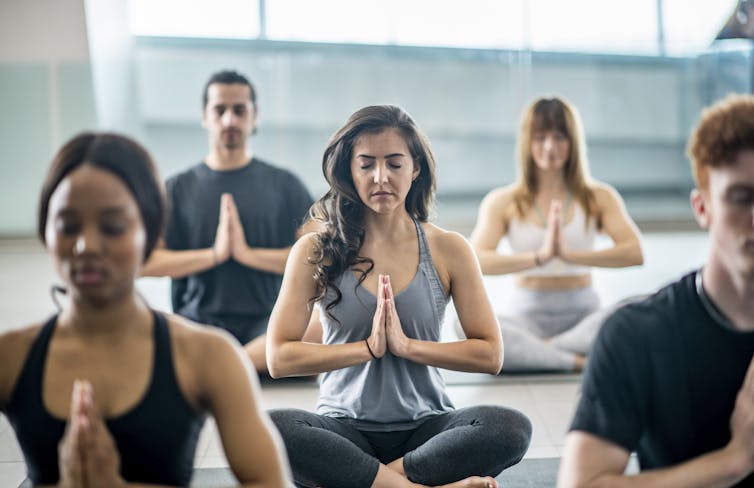
Mindfulness is seemingly everywhere these days. A Google search I conducted in January 2022 for the term “mindfulness” resulted in almost 3 billion hits. The practice is now routinely offered in workplaces, schools, psychologists’ offices and hospitals all across the country.
Most of the public enthusiasm for mindfulness stems from the reputation it has for reducing stress. But scholars and researchers who work on mindfulness, and the Buddhist tradition itself, paint a more complex picture than does the popular media.
Medicalizing meditation
Mindfulness originated in the Buddhist practice of “anapana-sati,” a Sanskrit phrase that means “awareness of breath.” Buddhist historian Erik Braun has traced the origins of the contemporary popularity of meditation to colonial Burma – modern-day Myanmar – in the late 19th and early 20th centuries. Meditation, which was practiced almost exclusively inside monasteries until then, was introduced to the general public in a simplified format that was easier to learn.
The gradual spread of meditation from that time to the present is a surprisingly complex story.
The process of translating the Buddhist practice of meditation across cultural divides transformed the practice in significant ways. Modern meditation often has different goals and priorities than traditional Buddhist meditation. It tends to focus on stress reduction, mental health or concrete benefits in daily life instead of spiritual development, liberation or enlightenment.
A pivotal moment in this transformation was the creation of the Mindfulness-Based Stress Reduction (MBSR) protocol by Jon Kabat-Zinn, a professor of medicine at the University of Massachusetts Medical School, in 1979. The stress reduction program introduced a standardized way of teaching meditation to patients so that its health benefits could be more rigorously measured by scientists.
Research on this new kind of “medicalized” mindfulness began to gather steam in the past two decades. As of today there are over 21,000 research articles on mindfulness in the National Library of Medicine’s online database — two and a half times as many articles as have been published on yoga, tai chi and reiki combined.
Scientific evidence vs. mindfulness hype
Medical researchers themselves have had a far more measured opinion about the benefits of meditation than the popular press.
For example, a 2019 meta-analysis, which is a review of many individual scientific studies, pointed out that the evidence for the benefits of mindfulness and other meditation-based interventions has “significant limitations” and that the research has “methodological shortcomings.”
Based on their review of the scientific literature, the authors warned against falling prey to “mindfulness hype.” On the positive side, they found various forms of meditation to be more or less comparable to the conventional therapies currently used to treat depression, anxiety, chronic pain and substance use. On the other hand, they concluded that more evidence is needed before any strong claims can be made regarding treatment of conditions such as attention disorders, PTSD, dysregulated eating or serious mental illnesses.
More troubling, some researchers are even beginning to suggest that a certain percentage of patients may experience negative side effects from the practice of meditation, including increased anxiety, depression or, in extreme cases, even psychosis. While the causes of these side effects are not yet fully understood, it is evident that for some patients, therapeutic meditation is far from the panacea it is often made out to be.
Putting mindfulness back into context
As a historian of the relationship between Buddhism and medicine, I argue that mindfulness can be a beneficial practice for many people, but that we should understand the broader context in which it developed and has been practiced for centuries. Mindfulness is one small part of a diverse range of healing techniques and perspectives the Buddhist tradition has developed and maintained over many centuries.
In a recent book, I have traced the global history of the many ways that the religion has contributed to the development of medicine over the past 2,400 years or so. Buddhist tradition advocates countless contemplations, devotional practices, herbal remedies, dietary advice and ways of synchronizing the human body with the environment and the seasons, all of which are related to healing.
These ideas and practices are enormously influential around the world as well as in Buddhist communities in the U.S. Such interventions have been particularly visible during the COVID-19 pandemic – for example, through the medical charity of major international Buddhist organizations as well as through health advice given by high-profile monastics such as the Dalai Lama.
Buddhism has always had a lot to say about health. But perhaps the most significant of its many contributions is its teaching that our physical and mental well-being are intricately intertwined – not only with each other, but also with the health and vitality of all living beings.
Medicalized meditation is now a self-help commodity that generates over US$1 billion per year, leading some critics to label it “McMindfulness.” But placing mindfulness back into a Buddhist ethical context shows that it is not enough to simply meditate to reduce our own stress or to more effectively navigate the challenges of the modern world.
As I argue in my most recent book, Buddhist ethics asks us to look up from our meditation cushions and to look out beyond our individual selves. It asks us to appreciate how everything is interconnected and how our actions and choices influence our lives, our society and the environment. The emphasis, even while healing ourselves, is always on becoming agents of compassion, healing and well-being for the whole.
[This Week in Religion, a global roundup each Thursday.Sign up.]
The website Being Fit Start Now focuses on helping women, particularly those over 40, achieve their health and fitness goals from the comfort of their homes. It provides a variety of resources, including at-home workout programs, weight loss tips, and nutritional guidance. The site offers specific fitness routines, such as yoga workouts, full-body exercises, and specialized routines for reducing belly fat, all designed for different age groups, especially women over 40 and 50. Additionally, it features dietary advice, supplement recommendations, and healthy recipes aimed at supporting weight loss and overall wellness.






 Dovestar
You must be logged in to post a comment.